
You are newly married, and after you missed your period, you started experiencing frequent hiccups. The curiosity arose, and you wondered, Are hiccups a sign of pregnancy? It’s a common question, and the short answer is probably not. However, hiccups can occur more often in early pregnancy due to changes in the body.
Hiccups are sudden, repeated sounds that occur when the diaphragm, a muscle involved in breathing, contracts rapidly and forcefully. This makes a quick “hic” sound when the air gets blocked in your throat. They are usually harmless and go away on their own.
While hiccups aren’t a clear or definitive sign of pregnancy, they can be linked to the body’s many changes. These include hormonal changes, stomach issues, and even stress, all of which are common in the early days of pregnancy.
If you are facing hiccups with other signs of pregnancy, it may be due to pregnancy. To manage hiccups, you must be aware of the causes of hiccups and early pregnancy symptoms. Read on to discover the full picture.
Are Hiccups a Sign of Pregnancy?
Hiccups alone are not considered a dependable early indicator of pregnancy. However, they can happen more frequently in pregnancy. Our body experiences new changes, which can contribute to more frequent hiccups.
Pregnancy hormones, particularly progesterone, can affect your diaphragm and cause spasms, which lead to hiccups. Additionally, as your body adjusts to pregnancy, it may take some time for your digestive system to adapt to the changes. This can result in bloating or air swallowing, which also triggers hiccups.
If you’re experiencing other signs of pregnancy, such as missed periods, nausea, and fatigue, the hiccups might be another symptom of your body adjusting to the changes. Still, don’t rely on hiccups alone to confirm pregnancy.
Common Causes of Hiccups During Early Pregnancy
Hiccups are more common in the first and second trimesters due to the adaptation of the body to pregnancy. These can be the cause of hiccups in pregnancy.
Hormonal Changes:
Early pregnancy triggers a surge in hormones like estrogen and progesterone, which can slow down digestion and affect the diaphragm, leading to hiccups.
Increased Blood Flow:
Your circulatory system undergoes changes, which can also impact your diaphragm and result in hiccups.
Digestive Slowdown:
Pregnancy can cause your digestive system to slow down, leading to bloating and air swallowing. Both of these can trigger hiccups.
Emotional Stress:
The emotional burden of pregnancy can also cause your body to react in unexpected ways, including triggering hiccups.
While these causes are common during pregnancy, hiccups can also happen for reasons unrelated to pregnancy. In pregnancy, women experience hiccups more often after the first trimester.
What Else Could Be Causing My Hiccups?
It’s important to remember that hiccups don’t always mean pregnancy. Several other factors could be at play:
Eating quickly:
Swallowing air while eating fast can irritate your diaphragm and cause hiccups.
Spicy or Acidic Foods:
Certain foods can upset your stomach, triggering hiccups.
Stress:
Anxiety or stress can cause the diaphragm to contract, resulting in hiccups.
Temperature Changes in Food:
Eating or drinking something very hot or cold can also lead to hiccups.
If you aren’t pregnant, these factors could still be the reason behind your hiccups. It’s always good to consider all possible causes to answer your question ,Are hiccups a sign of pregnancy?
When Should You Be Concerned About Hiccups?
Most hiccups are harmless and temporary. However, there are times when you should be concerned:
Persistent Hiccups:
If hiccups persist for more than 2 days, it could indicate a more serious problem.
Chest Pain or Difficulty Breathing:
If hiccups are accompanied by chest pain or trouble breathing, see a doctor immediately.
Difficulty Eating or Drinking:
If hiccups are affecting your ability to eat or drink, it may be time to consult a healthcare provider.
These are the signs that your hiccups might be linked to something more than a simple irritation. If you are experiencing these signs, consult your doctor.
Safe Hiccup Remedies for Pregnancy
When you’re pregnant, you have to be extra cautious about the remedies you try. Here are a few safe options to manage hiccups:
Drink Water:
Drinking a small amount of water at a time can help soothe your diaphragm and stop the hiccups.
Hold Your Breath:
Holding your breath for 10-15 seconds can help stop hiccups without any harm to your pregnancy.
Eat a Light Snack:
Eating small bites of food like crackers or bread can sometimes help settle your stomach and stop hiccups.
Breathing Techniques:
Focus on deep, slow breaths to relax your diaphragm and ease the hiccups. These breathing techniques are helpful for relaxing your body and muscles.
Always be sure to avoid any remedies that are not recommended for pregnant women.
What Are the Common Signs of Pregnancy?
Every woman experiences pregnancy signs according to her own body, but here are a few of the most common early symptoms:
Missed Period:
If your cycles are usually regular and suddenly your period doesn’t arrive on time, it might be your body’s way of telling you something new is happening.
Morning Sickness:
Not everyone gets morning sickness, but for many, waves of nausea begin around the 6th week. You may feel queasy in the morning—or any time of day.
Fatigue:
Growing a new life inside you is hard work, even in the very beginning. If you’re feeling exhausted for no clear reason, pregnancy can be the cause.
Breast Tenderness:
Breasts become sensitive and swollen in early pregnancy. This may alert you, but don’t worry, it’s just the early signs of your new happiness.
Frequent Urination:
You might find yourself needing the bathroom more often. This happens because your body is producing extra fluid and blood volume, and your kidneys are working harder.
These signs are a better indicator of pregnancy than hiccups. You must rely on these signs as better confirmation of pregnancy.
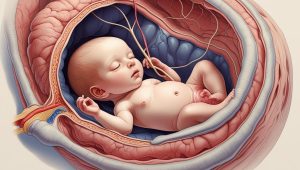
Do Babies Experience Hiccups in the Womb?
Yes, babies do experience hiccups in the womb in the second and third trimesters—and it’s completely normal! While they might catch you by surprise, fetal hiccups are completely normal and are believed to play a role in lung and nervous system development. If your baby gets hiccups often in the womb, there’s usually no cause for concern—it’s just another incredible milestone in your baby’s growth journey.
When to Speak to a Doctor
If your hiccups last more than a couple of days, or if they’re accompanied by other concerning symptoms, it’s time to consult a doctor. You should also speak to a healthcare provider if:
- The hiccups are interfering with your ability to eat or sleep.
- You experience other symptoms like chest pain, difficulty breathing, or trouble swallowing.
- You are in doubt whether the hiccups are pregnancy-related or caused by something else.
Your doctor can help determine whether the hiccups are normal or is it a sign of pregnancy.
Conclusion
Hiccups during early pregnancy are common and usually harmless. While they may not be a sign of pregnancy on their own, they can be linked to hormonal changes and digestive shifts. If you find that your hiccups are persistent or troublesome, it’s always a good idea to consult a doctor for peace of mind.
FAQs
- Hiccups in Early Pregnancy at 2 Weeks—Is It Normal?
It’s not unusual to have hiccups at two weeks pregnant, though they are likely related to hormonal changes. They are generally harmless, but if they last long, check with a doctor.
- Hiccups When Pregnant: Boy or Girl?
There is no scientific evidence linking hiccups to the gender of the baby. Gender is determined by chromosomes, not pregnancy symptoms like hiccups.
- What do fetal hiccups feel like to Mom?
Fetal hiccups feel like small, rhythmic taps or gentle pulses inside your belly. They usually happen in the same spot and repeat every few seconds for a short time.
- Are hiccups and heartburn signs of pregnancy?
Hiccups and heartburn can happen during pregnancy due to hormonal changes and digestion slowing down, but they are not reliable signs on their own.